
Legal Considerations When Using Commercial Music in Public Spaces

Legal Considerations When Using Commercial Music in Public Spaces

Learn about the legal considerations when using commercial music in public spaces to ensure compliance with copyright laws and avoid potential penalties. This guide provides essential information for businesses and event organizers on navigating music licensing requirements.

What are the implications of synchronization licenses when using commercial music in promotional videos displayed in public spaces?

When using commercial music in promotional videos displayed in public spaces, synchronization licenses play a critical role because they grant the necessary legal permission to combine audio and visual elements. This type of license is essential for any entity looking to enhance their marketing materials with popular songs or soundtracks, as it ensures that copyright holders are compensated fairly for their work. Without obtaining a synchronization license, businesses risk infringing on intellectual property rights, which could lead to costly lawsuits or fines from record labels and artists. Furthermore, the implications extend beyond mere legality; failure to secure these licenses can damage a brand's reputation if perceived as disrespectful towards creators' rights. Additionally, different jurisdictions may impose varying requirements regarding performance royalties and public display permissions related to copyrighted material. Thus, navigating the complexities of licensing agreements becomes vital not only for compliance but also for maintaining positive relationships within the creative community while effectively engaging audiences through compelling multimedia experiences in various venues such as trade shows, outdoor events, or corporate presentations where visibility is crucial.

Overhead music services in Phoenix can greatly enhance the atmosphere of your business, creating an inviting environment for customers. By exploring these services, you'll discover how tailored music solutions can improve customer satisfaction and retention. To learn more about overhead music options available to you, visit tips for crafting commercial playlists

How does venue size affect the necessity for obtaining performance rights when playing copyrighted music during live events?

Venue size significantly impacts the necessity for obtaining performance rights when playing copyrighted music during live events, as larger venues often attract more attention and have stricter regulations regarding copyright compliance. In smaller settings like intimate cafés or private parties, hosts might overlook the need for licenses due to limited audience reach and perceived low risk of infringement; however, this can lead to legal issues if copyright holders decide to enforce their rights. Conversely, in bigger arenas or concert halls where thousands gather, the likelihood of attracting scrutiny from performing rights organizations increases substantially because these entities monitor high-capacity spaces more closely to ensure artists receive proper compensation for their work. Additionally, large-scale events frequently feature professional sound systems that amplify recorded works prominently across vast audiences—heightening both visibility and potential liability related to unauthorized performances. This means promoters and venue operators must be diligent in securing necessary licenses through agencies such as ASCAP or BMI before hosting any event with live music that includes popular songs protected under copyright law. Moreover, understanding local laws around public performance is crucial since some jurisdictions may impose different requirements based on capacity limits or type of event being held; thus emphasizing how critical it is for planners at all levels—from small gatherings up through major festivals—to navigate the complexities of intellectual property laws while respecting artistic contributions within various sized venues effectively.

In what ways do blanket licensing agreements differ from individual track licensing for businesses utilizing background music services?

Blanket licensing agreements and individual track licensing represent two distinct approaches for businesses that utilize background music services. A blanket license allows a business to play an unlimited number of songs from a specific catalog, which is often managed by performance rights organizations like ASCAP or BMI; this means the establishment can freely use any song within that collection without seeking permission for each one, thus providing convenience and simplicity in compliance with copyright laws. In contrast, individual track licensing requires businesses to obtain separate permissions for each song they wish to use, which can lead to higher costs and more administrative work as it necessitates negotiating terms directly with rights holders or publishers on a case-by-case basis. While blanket licenses are generally favored by larger establishments such as restaurants or retail stores looking for extensive music playlists without interruption, individual track licenses may appeal more to niche markets where specific tracks enhance brand identity or customer experience but involve careful selection due to potential budget constraints. Additionally, blanket licenses typically cover public performances across various platforms—like live events and digital streaming—whereas individual licensing might be limited strictly to certain usage contexts based on negotiations made with copyright owners. Overall, the choice between these two types of agreements hinges upon factors such as cost-effectiveness, ease of management regarding legal responsibilities related to intellectual property rights in music utilization within commercial environments.

What role do mechanical licenses play when a cafe incorporates recorded commercial music into their customer experience through physical media playback?

Mechanical licenses are crucial for cafes that wish to incorporate recorded commercial music into their customer experience through physical media playback, as they legally permit the establishment to reproduce and distribute sound recordings. When a cafe plays songs from CDs or vinyl records in its venue, it must obtain these mechanical licenses from copyright holders or licensing organizations like the Harry Fox Agency. This ensures that songwriters, composers, and recording artists receive appropriate royalties whenever their works are played publicly. In addition to protecting intellectual property rights, mechanical licenses help create a fair marketplace where creators can earn income based on how often their music is used commercially. Without proper licensing arrangements in place—including potentially needing synchronization rights if visuals accompany the audio—cafes may face legal repercussions such as fines or litigation for infringing upon copyright laws. Thus, by securing mechanical licenses, cafes not only enhance their ambiance with curated playlists but also demonstrate respect for artistic creativity while fostering an environment conducive to enjoyment and social interaction among patrons who appreciate quality music during meals or gatherings.

How can businesses ensure compliance with digital transmission regulations while streaming commercially licensed playlists on their premises?

Businesses can ensure compliance with digital transmission regulations while streaming commercially licensed playlists on their premises by implementing a multi-faceted approach that includes understanding and adhering to copyright laws, obtaining the necessary licenses from performing rights organizations (PROs), and utilizing technology solutions designed for compliant music play. It is crucial for businesses to familiarize themselves with specific licensing agreements associated with different types of media content, including background music and live performances, as these often require distinct permissions depending on how the music will be used in public spaces such as restaurants or retail stores. Engaging legal counsel specializing in intellectual property can help interpret complex regulations surrounding audio broadcasting and ensure that all required performance licenses are secured prior to any musical presentation. Additionally, businesses may consider using licensed commercial music services that offer pre-curated playlists tailored for business environments; these services typically come bundled with proper licensing coverage that simplifies regulatory adherence while enhancing customer experience through ambiance enhancement. Regular training sessions should also be conducted for employees regarding copyright compliance practices so they understand the importance of respecting artists' rights alongside maintaining operational integrity within their venue’s atmosphere. By staying informed about changes in legislation related to digital transmissions—such as updates from entities like the Digital Millennium Copyright Act—and establishing robust internal policies focused on ongoing monitoring of usage practices coupled with periodic audits of external vendors’ compliance records, companies not only promote ethical standards but also significantly mitigate risks associated with potential infringement penalties resulting from unauthorized use of copyrighted material during streamed broadcasts or events hosted onsite.

Frequently Asked Questions

In a restaurant setting, the licensing requirements for playing commercially recorded music involve obtaining appropriate public performance licenses from performing rights organizations (PROs) such as ASCAP, BMI, and SESAC. These licenses allow establishments to legally play copyrighted songs without infringing on intellectual property rights. Restaurants must ensure compliance with copyright laws by securing these permissions since playing music in a public venue constitutes a public performance under U.S. copyright regulations. Additionally, venues may need to consider specific license types based on their size and the nature of the musical content being played—whether live or pre-recorded—and whether they are hosting events like live bands or karaoke nights that could require further licensing arrangements. Failure to acquire necessary licenses can result in significant legal repercussions, including fines and penalties stemming from infringement claims by artists or record labels seeking protection for their creative works within commercial spaces like dining establishments.

Using background music in retail stores typically involves different copyright considerations compared to live performances due to the nature of public performance rights and licensing agreements. Retail establishments often utilize pre-recorded music, which requires obtaining licenses from performing rights organizations such as ASCAP or BMI, ensuring compliance with intellectual property laws that govern the playback of copyrighted material in commercial spaces. In contrast, live performances may fall under a separate set of regulations involving local permits and direct negotiations with artists or their representatives for performance fees. While both scenarios necessitate adherence to copyright statutes, the nuances of mechanical royalties versus synchronization licenses become pivotal; recorded tracks played continuously can attract blanket licenses covering multiple works while live acts might demand individualized arrangements based on venue capacity and audience reach. Thus, understanding these distinctions is crucial for retailers aiming to enhance ambiance without infringing on creative copyrights associated with musicians’ artistic expressions.

Streaming music playlists at outdoor events or festivals is subject to various regulations that primarily focus on copyright compliance and licensing requirements. Event organizers must secure appropriate public performance licenses from organizations such as ASCAP, BMI, or SESAC, which represent the rights of songwriters and publishers. Additionally, they need to consider synchronization rights if visual elements accompany the audio stream. Compliance with local noise ordinances is also essential, alongside ensuring adequate sound equipment setup that adheres to safety standards for large gatherings. Moreover, health and safety regulations may dictate crowd control measures during live performances where streaming technology enhances audience engagement through interactive playlists. Failure to comply with these legal frameworks can result in penalties ranging from fines to potential lawsuits by content owners seeking protection for their intellectual property rights within the realm of digital media distribution at public venues.

The impact of local versus national copyright laws on public performance rights for commercial music is significant, as variations in legislation can lead to discrepancies in how artists and venues navigate the complexities of licensing. Local jurisdictions may impose unique regulations regarding performance royalties, affecting the distribution mechanisms employed by Performance Rights Organizations (PROs) such as ASCAP or BMI. These localized rules often dictate how music users must obtain permissions for live events or broadcasts, leading to potential confusion and compliance challenges that differ from national standards. Furthermore, regional interpretations of fair use provisions and statutory licenses can influence enforcement practices and penalties for infringement, creating an uneven playing field across different markets. This divergence not only complicates the revenue streams available to musicians but also impacts their ability to monetize performances effectively while ensuring adherence to both local ordinances and overarching federal statutes governing intellectual property rights within various countries' legal frameworks.

Businesses cannot use popular songs in promotional videos without obtaining separate licenses, as doing so would infringe on copyright laws and intellectual property rights. The legal framework surrounding music licensing requires that companies secure proper permissions from the songwriters, publishers, or record labels to avoid potential litigation and financial penalties. Utilizing tracks without authorization not only risks violating performance rights but also undermines the ethical standards of fair use within marketing practices. To ensure compliance with music synchronization agreements and mechanical licenses, businesses must navigate complex licensing structures tailored for commercial purposes while considering factors such as distribution channels and audience reach. Failing to adhere to these regulations can lead to detrimental consequences for brand reputation and operational integrity in an increasingly competitive marketplace where adherence to copyright law is paramount.
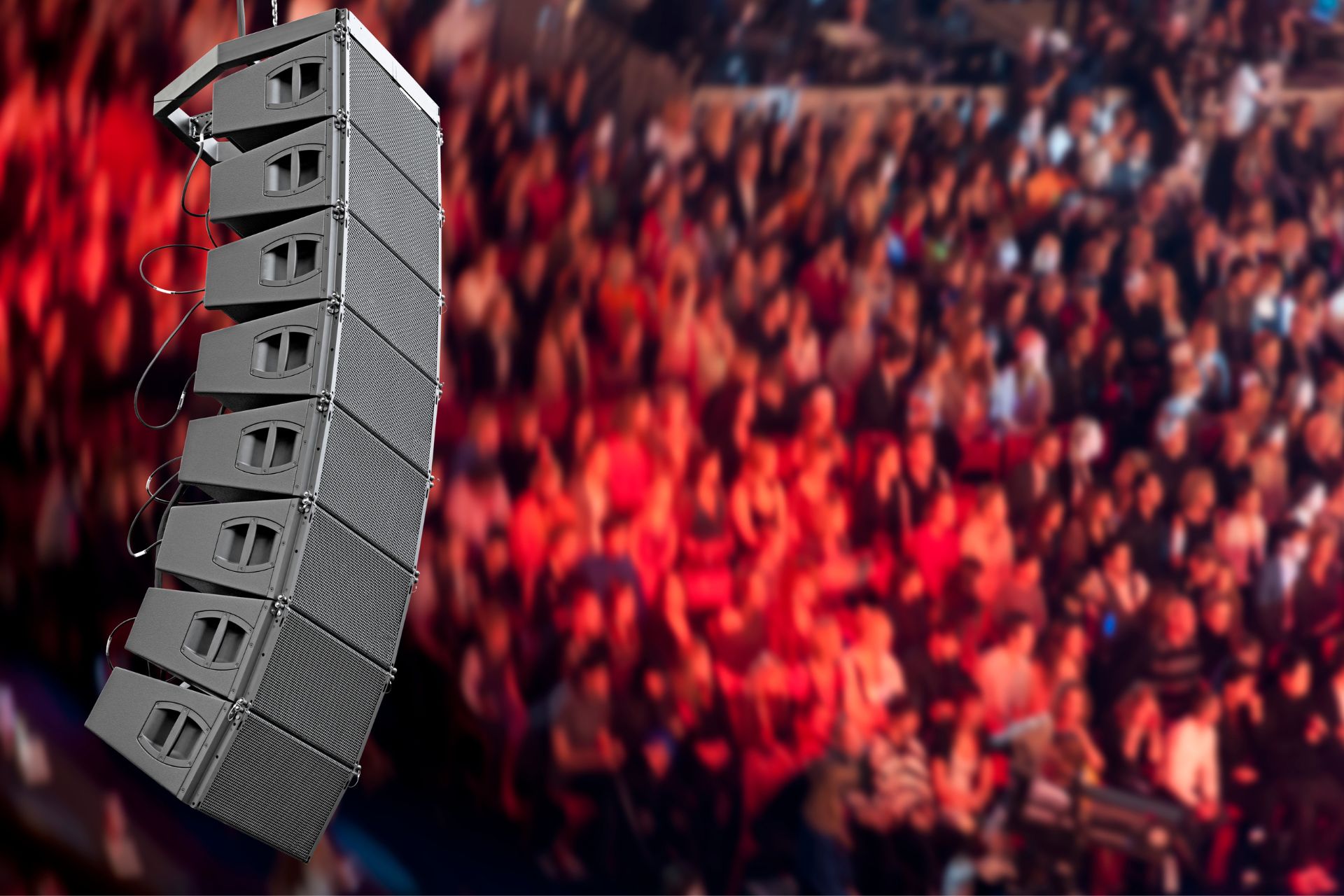
Legal Considerations When Using Commercial Music in Public Spaces

Legal Considerations When Using Commercial Music in Public Spaces

Contact Us

Commercial AV Services

  • Address: 2432 W Peoria Ave Suite 1204 Phoenix, AZ 85029
  • Phone: (602) 626-5800
  • Email: commercialavservices@mail.com

© Copyright - All Rights Reserved